Every car owner must know the signs that your vehicle requires fresh oil. Engine oil lubricates moving parts inside your motor. Neglecting oil changes leads to severe engine damage over time.
Old oil degrades and loses its ability to protect the parts in your engine. When oil breaks down and becomes ineffective, friction increases rapidly. You must schedule an oil change to prevent mechanical failure.
If you are confused about when you should get your oil changed, watch for specific warning signs. A timely service keeps your engine running smoothly. We will highlight exactly what it needs below.
Do you know the signs your car needs an oil change right now? Recognizing these indicators early saves you from expensive repairs. Consistent maintenance guarantees that your engine components remain protected from extreme heat.
Fresh motor oil acts as a cleaning agent inside the block. It gathers harmful contaminants and suspends them in the fluid. Changing the oil removes these dangerous particles entirely.
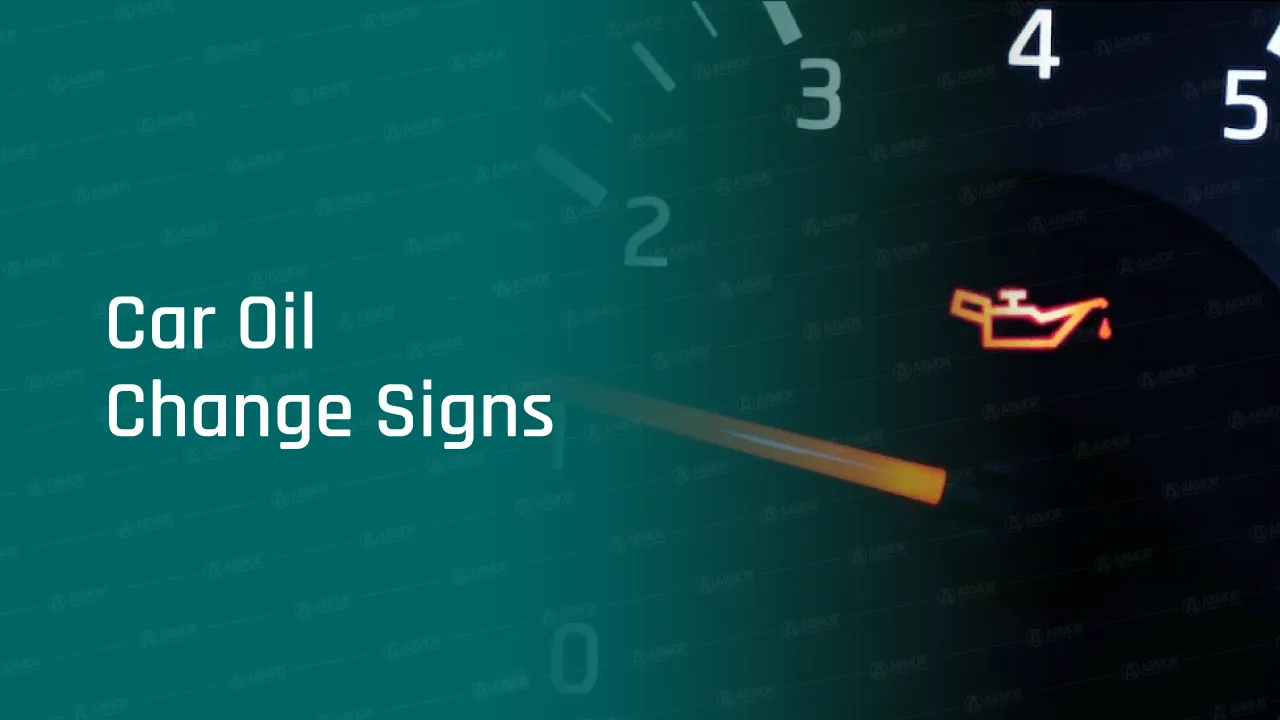
Modern vehicles have built-in systems to monitor engine health. The dashboard is your first line of defense against low oil levels. Pay attention when a warning light illuminates while driving.
Your car communicates through these specific indicator lights. Ignoring an oil warning can result in catastrophic engine failure. Always take these alerts seriously and inspect your car's oil system immediately.
The dashboard serves as a direct communication tool from your engine. When sensors detect low pressure or high temperatures, the system immediately triggers a warning. Do not disregard these visual cues.
The check engine light may illuminate for various reasons. Sometimes, it signals that your oil pressure has dropped dangerously low. This happens when there is not even a bit of oil left to lubricate components.
A flashing change or check engine light demands immediate attention. Do not continue driving if this occurs. You must visit a service center or find an oil change near your location right away.
When the check engine light stays solid, it indicates a persistent issue. The oil may be too thick or too low to circulate properly. A diagnostic tool will confirm if the oil system triggered the code.
Many modern vehicles feature a dedicated oil change light. This specific dashboard indicator tracks your mileage and driving habits. It alerts you when routine oil maintenance is absolutely due.
When this specific oil change light turns on, it is time for an oil change. Do not reset the light without physically changing the oil. Replacing the degraded oil ensures continuous protection for engine parts.
Some systems measure the actual quality of the motor oil. They analyze temperatures and engine revolutions to determine when the oil breaks down. This smart monitoring removes the guesswork from scheduling service.
Checking the oil manually provides an accurate assessment of its condition. You should regularly pull the dipstick to inspect the fluid. This simple manual habit helps you spot mechanical problems early.
Park your vehicle on level ground and wait for the engine to cool. Remove the dipstick, wipe it completely clean, and reinsert it fully. Pull it out again to read the current oil level on the dipstick.
Make it a habit to check your oil level every time you fill up with gas. This frequent inspection ensures you never run dangerously low on motor oil. Knowing the signs prevents sudden breakdowns.
If the fluid falls below the minimum mark, you clearly have low oil. Engines consume a very small amount of oil naturally. However, a drastic drop indicates an active oil leak somewhere in the system.
Low oil levels rapidly accelerate wear on engine components. If you frequently need to top off the fluid, closely inspect the ground underneath your vehicle. Address any leaks before getting your next oil change.
Driving with low oil levels starves the top end of your engine. The camshafts and valves require constant lubrication to function. Running dry will permanently damage these expensive metal parts.
Fresh oil is amber and slightly translucent. Over time, engine oil collects dirt, metallic debris, and carbon deposits. This turns the fluid dark brown or black and gives it a thick, gritty texture.
Dirty oil cannot effectively lubricate or clean your engine. If the oil is significantly dark and abrasive, it definitely needs to be changed. Clean oil is vital for maintaining peak engine performance. Always know what your motor oil color means for your engine's health.
When oil turns completely black and sludgy, it blocks vital passageways. This restricted flow mimics the symptoms of low oil levels. Getting an overdue oil change flushes out this harmful sludge.
Motor oil provides a thick protective cushion between metal engine parts. When the oil degrades entirely, this crucial cushion disappears. You will start hearing distinct engine noises that indicate excessive friction.
A properly lubricated engine operates quietly and highly efficiently. Any sudden change in engine sounds warrants an immediate, thorough inspection. Do not ignore loud, aggressive noises coming from your engine compartment. Understanding basic engine failure causes helps prevent disaster.
As the oil ages and loses viscosity, the mechanical sounds become much harsher. You might notice these sounds are loudest during cold morning startups. The oil takes longer to circulate when it degrades.
Listen carefully for rapid ticking, tapping, or loud knocking sounds. These harsh noises occur when metal components strike each other without proper lubrication. This is a primary symptom of severe overdue oil change requirements.
Engine knocking is a critical, severe warning sign. It means your car needs an oil change immediately. Driving with a knocking engine will rapidly lead to irreversible damage to internal engine components. Find out exactly why does my engine knock to take proper action.
The knocking sound originates from the rod bearings failing. Without thick, clean oil, these bearings overheat and warp. Replacing a damaged engine costs significantly more than routine oil changes.
Old oil thickens and creates heavy drag on internal moving parts. This forces the engine to work much harder to produce the exact same power. You might notice a sharp drop in acceleration capabilities.
If your vehicle feels unusually sluggish, check your oil immediately. Changing the oil entirely restores efficiency and quick throttle response. Always ensure your engine gets exactly what it needs to perform optimally. Learn how engine oil works to appreciate its role.
Sluggish performance often pairs with terrible fuel economy. The engine burns more fuel to overcome the internal friction caused by dirty oil. Fresh oil reduces this drag and saves money at the pump.
Your car's exhaust emissions clearly reveal a lot about its internal health. Typically, you should only see thin, clear vapor coming from the tailpipe. Thick, colored smoke indicates a serious internal mechanical issue.
Monitor your exhaust output regularly, especially during initial startup. Significant changes in smoke density or specific color are signs your car needs professional attention. It frequently points directly to severe oil-related problems. Learn more about exhaust smoke color.
Healthy engines emit almost invisible exhaust gases. When oil breaches the combustion chamber, it contaminates the fuel mixture. This immediately alters the visual appearance of the exhaust fumes.
You might wonder exactly what color is overdue oil change smoke. Usually, heavily neglected oil leads directly to blue or dark gray exhaust smoke. This specific hue confirms the engine is burning oil internally.
Blue smoke occurs when degraded oil leaks past worn valve seals or piston rings. Neglected oil utterly fails to condition these rubber seals properly. When you see persistent blue smoke, your vehicle desperately needs an oil change.
In some cases, the smoke might look slightly black if the engine is heavily struggling. This indicates a poor air-to-fuel ratio, often exacerbated by a sludgy, underperforming engine.
Continuously burning oil rapidly depletes your critical oil level. This leaves your expensive engine entirely vulnerable to extreme heat and massive friction. If left unresolved, it guarantees severe engine damage and costly mechanical repairs.
An engine burning oil actively requires immediate, professional diagnostics. The longer you wait to fix it, the worse the internal component wear becomes. Get your oil changed and have a trained mechanic locate the internal leak. Understand why is my cars engine burning oil to prevent future issues.
Sometimes, changing the oil to a high-mileage formula helps condition aging seals. This simple step can slow down minor internal oil consumption. However, large leaks require intensive engine tear-downs.
Your car's interior cabin should remain free of noxious mechanical odors. If you suddenly smell oil inside the car, pull over safely. Strong odors in the cabin usually mean fluids are leaking onto very hot surfaces.
A persistent, strong smell of oil is never a normal condition. It strongly indicates a sudden failure in the engine's fluid containment system. Address this severe warning immediately to prevent dangerous fire hazards.
The ventilation system actively pulls fresh air from the base of the windshield. If oil leaks onto the hot engine block below, those fumes get sucked inside. This makes driving highly unpleasant and unsafe.
If the odor closely resembles burning oil, an active leak is dripping onto the hot exhaust manifold. The extreme exhaust heat instantly vaporizes the leaking oil, and the HVAC system pulls that smell inside.
This sharp burning scent is a very clear indicator that your car needs an oil change and leak repair. Do not inhale these toxic fumes for extended periods. Have the vehicle towed to a safe service center.
You might actually see light smoke wafting from under the hood alongside the smell. This visual confirmation means the oil leak is substantial. Shut off the engine immediately to stop the flow.
Sometimes you might clearly smell raw, completely unburned oil. This happens when a vital seal or gasket fails, allowing oil to pool around the engine block. You may also easily notice dark fluid puddles forming under your parked vehicle.
Regular oil changes allow experienced technicians to quickly spot early oil leak symptoms. Replacing the old oil routinely helps keep vital seals conditioned and flexible. This important preventive maintenance stops severe leaks before they start.
Checking the ground where you park overnight is a great habit. A few drops of dark fluid signal the beginning of a gasket failure. Catching it early saves your engine from running completely dry.
Diligently tracking your driven mileage is the most reliable way to schedule an oil change. Every modern vehicle has highly specific oil change intervals recommended by the manufacturer. Following this strict schedule prevents the oil from degrading completely.
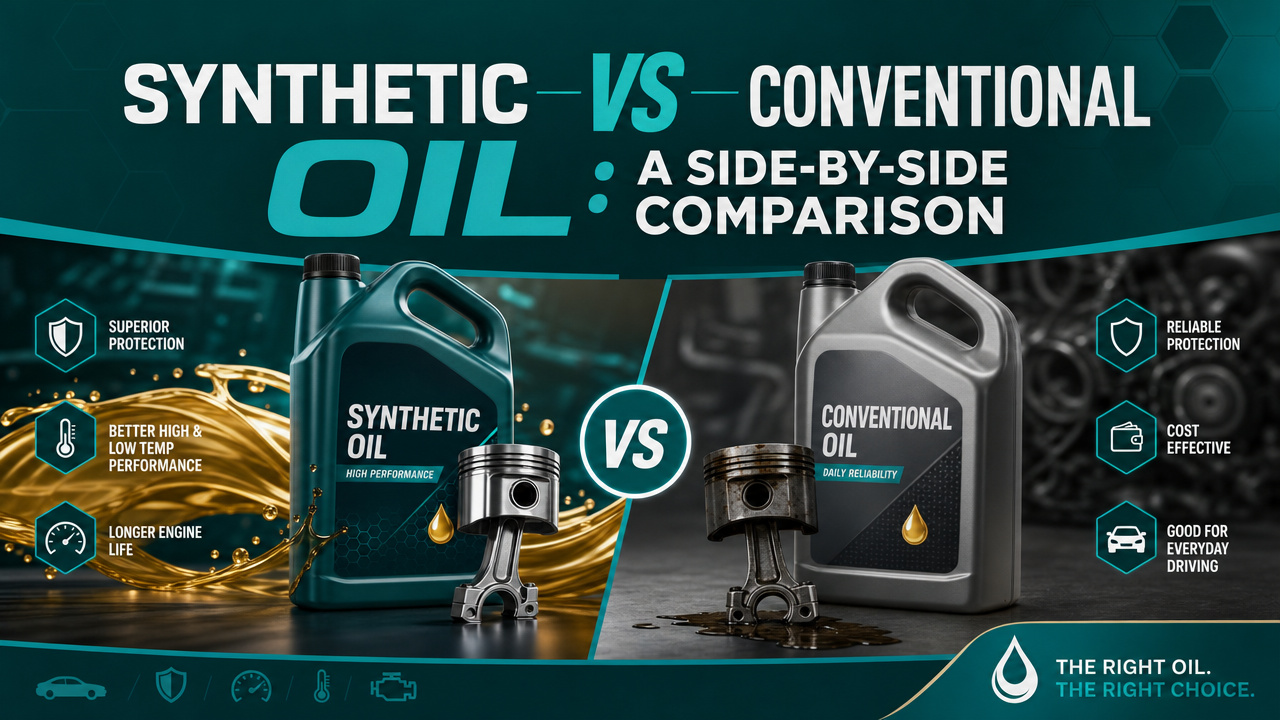
Do you know exactly how often an oil change is absolutely required? Always consult your official owner's manual for the exact mileage figure. Modern synthetic oils generally last much longer than traditional conventional motor oil. Compare the differences between synthetic vs conventional oil.
Writing down your current mileage when you get the service done is crucial. A small windshield sticker serves as a helpful daily reminder. Staying ahead of the interval prevents unwanted engine wear.
The famous 30-60-90 rule refers directly to standard mileage milestones for major vehicle maintenance. At 30,000, 60,000, and 90,000 miles, cars require highly comprehensive inspections and vital fluid replacements. This strictly includes changing the oil and filters.
While basic engine oil must be replaced much more frequently, these major milestones ensure overall total vehicle health. Sticking rigorously to these long-term intervals keeps your engine running beautifully efficiently for many years.
During these major milestone services, mechanics inspect belts, hoses, and other critical fluids. They ensure the engine oil system operates flawlessly. This comprehensive approach maximizes your vehicle's lifespan.
Constantly neglecting routine oil changes leads directly to massive sludge buildup inside the motor. Heavy sludge blocks narrow internal oil passages, actively starving engine parts of vital lubrication. This drastically and permanently reduces the lifespan of your vehicle.
Persistent overdue oil change habits will quickly void expensive factory warranties. Routine scheduled oil services remain the absolute cheapest form of reliable engine insurance. Always get a professional oil change exactly on time to heavily protect your investment. Beware of any oil change interval scam that tries to push unnecessary services.
Engine sludge is incredibly difficult to remove once it forms. It requires multiple flushes and aggressive chemical treatments to clean the block. Changing the oil on time easily prevents this nightmare scenario entirely.
When internal oil severely ages, the car actively communicates its mechanical distress through poor overall drivability. You will easily notice the vehicle feels heavy, runs significantly hotter, and vibrates much more than usual. The engine may deeply struggle to maintain consistent highway power.
Accurately recognizing these distinct drivability issues helps you precisely know the signs early. If your reliable car acts unusually sluggish or aggressively sounds harsh, it is perfectly time to schedule an oil service. Prompt proactive action prevents minor issues from escalating.
You might notice the transmission shifts feel slightly different if the engine struggles. The loss of engine power affects the entire drivetrain's harmony. Fresh oil restores the crisp, responsive feel you expect.
Highly common symptoms of an aggressively overdue oil change include terrible fuel economy and very rough engine idling. As thick oil turns completely into sludge, the engine works overtime just to actively rotate. This massive extra effort directly consumes much more fuel.
You might also frequently experience severe engine overheating issues. Clean oil heavily protects against massive heat transfer. When oil totally degrades, it absolutely cannot absorb engine heat, causing the dashboard temperature gauge to spike dangerously high. Prevent car engine overheating by replacing your oil routinely.
A rough idle at a stoplight is a classic symptom. The engine shakes because the internal components fight against the thick, degraded oil. A quick oil change smooths out the idle perfectly.
Establish a very strict, reliable routine for personally checking the motor oil. Actively pull the dipstick at least once a month. Carefully top off low oil levels and rigorously inspect the fluid's exact color and physical consistency regularly.
Keep exact track of your specific vehicle service dates. Whether you actively choose advanced synthetic or basic conventional oil, strict consistency absolutely matters most. Routine diligent maintenance highly ensures your car strictly remains perfectly reliable and extremely safe on the road. Find out the best time to change engine oil.
Finding a trustworthy service center makes maintaining your routine much easier. They keep meticulous records of your oil change history. This ensures you never miss a critical service interval.
Every vehicle demands a highly specific grade and type of motor oil to function flawlessly. Using the incorrect viscosity forces the engine to struggle during cold starts and high-speed highway driving. You must understand precisely what your car requires.
The manufacturer extensively tests various oil formulations during the engine design phase. They determine the absolute perfect balance of protection and efficiency. Deviating from these strict recommendations accelerates internal wear significantly.
Consult your service manual or the oil cap itself for the correct weight. The numbers on the bottle indicate how the oil flows at different temperatures. Choosing correctly is just as important as changing it on time.
Performance vehicles have very strict fluid capacity requirements. For example, you might wonder exactly how much oil for GR86 oil change services is needed. The exact capacity ensures the high-revving boxer engine remains perfectly lubricated under heavy cornering loads.
Overfilling the engine is just as dangerous as running with low oil levels. Too much oil causes the crankshaft to whip the fluid into a foam. Aerated oil loses all its protective lubrication properties immediately.
Always buy slightly more oil than the manual specifies. Pour the exact amount, run the engine briefly, and check the dipstick again. Top it off carefully to hit the precise full mark.
You might ask what 6 signs your car needs an oil change at the dealership look like. Dealerships use exact factory-specified fluids and original equipment filters. If your vehicle is under warranty, visiting the dealer provides immense peace of mind.
Dealership technicians receive specialized training for your exact vehicle brand. They quickly identify subtle signs your car needs an oil change or major repair. They also perform software updates during routine oil services.
While independent shops offer great value, dealerships maintain perfect factory records. This comprehensive documentation increases the resale value of your vehicle. It proves you never neglected routine oil changes.
Before you firmly book your next service appointment, perform a rapid visual inspection under the hood. Check the exact oil level on the dipstick one final time. Confirm if the oil is amber or dangerously dark and gritty.
Note any strange engine noises or dashboard warning lights currently active. Share these exact specific symptoms with your chosen mechanic. Providing clear details helps them diagnose potential issues beyond a standard oil service.
Prepare a list of questions regarding your specific engine performance. Ask the technician if they notice signs of active oil leaks during the service. Good communication ensures your vehicle receives exactly what it needs.
Never ignore a brightly flashing oil pressure warning light on the dashboard. Do not ignore loud metallic knocking coming from your engine block. These severe warning signs mandate immediately shutting down the vehicle to heavily prevent catastrophic engine damage.
A massive puddle of fresh oil under the car requires a tow truck, not a drive to the shop. Running the engine without fluid destroys the internal bearings in seconds. Always prioritize vehicle safety over absolute convenience.
Trust your instincts when driving your car daily. If the engine performance feels unusually weak or harsh, it is clearly time to schedule an oil service. Early detection always saves you thousands in engine repairs.
Changing your oil frequently is the ultimate key to achieving high mileage. Engines with clean oil regularly surpass the two-hundred-thousand-mile mark with zero internal mechanical issues. It remains the most effective form of preventative vehicle maintenance available.
Take pride in keeping your engine pristine internally. Fresh oil protects the camshafts, conditions the rubber seals, and removes harmful carbon deposits completely. Know the signs your car needs an oil change and act on them immediately.
Your vehicle represents a massive financial investment. Protecting it requires nothing more than routine fluid checks and timely professional service. Schedule an oil change today if you notice any of these six warning signs.