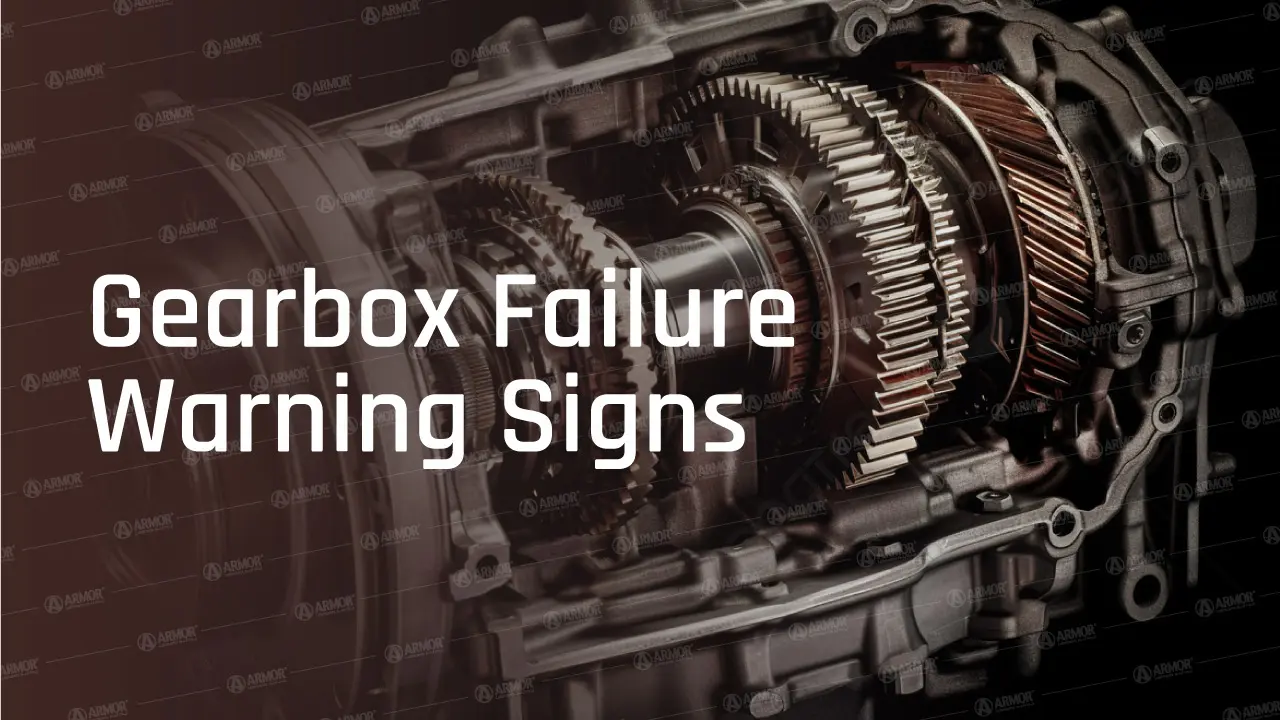
You may need to check gearbox if you notice one of those problems:
A healthy transmission system ensures seamless power delivery from the engine to the wheels. Ignoring a developing transmission problem often leads to complete failure and expensive mechanical overhauls. Recognizing failure symptoms early saves significant time and money.
Drivers must stay alert to the 10 signs of mechanical distress indicating a failing transmission. Catching these early signs prevents severe gearbox damage and keeps the vehicle safely on the road. The vehicle’s transmission demands proactive attention.
Many drivers ignore an early warning sign until total transmission breakdown leaves them stranded. Prompt transmission services mitigate the risk of needing a complete transmission replacement. Pay close attention to how your car behaves daily.
Determining the health of your vehicle requires keen observation of its daily operational characteristics. A healthy gearbox operates seamlessly without drawing attention to its mechanical processes. Sudden changes in driving dynamics signal impending transmission failure.
You must actively monitor for any deviation from normal performance to catch issues early. A total transmission collapse rarely happens without prior warning signs. Identifying a problem with the transmission immediately prevents further component degradation.
Drivers who ignore early warning signs face catastrophic gearbox failure and expensive replacement costs. Early detection remains the most effective strategy for extending transmission lifespan. Professional transmission technicians rely on these same failure symptoms for diagnosis.
Unusual acoustic feedback often serves as the first warning sign of a faulty gearbox. A healthy transmission operates silently under all normal driving conditions. When you hear a distinct whine or hum during operation, internal components are experiencing excessive friction.
A sudden clunk when shifting gears points directly to severe hardware degradation. These noises indicate failing bearings or severely damaged gear teeth. Never ignore these auditory failure signs as they always precede more severe transmission problems.
Ignoring a simple whine often results in broken metal fragments circulating through the hydraulic system. This abrasive debris causes catastrophic damage to the intricate valve body. Listen closely to your vehicle every time you drive.
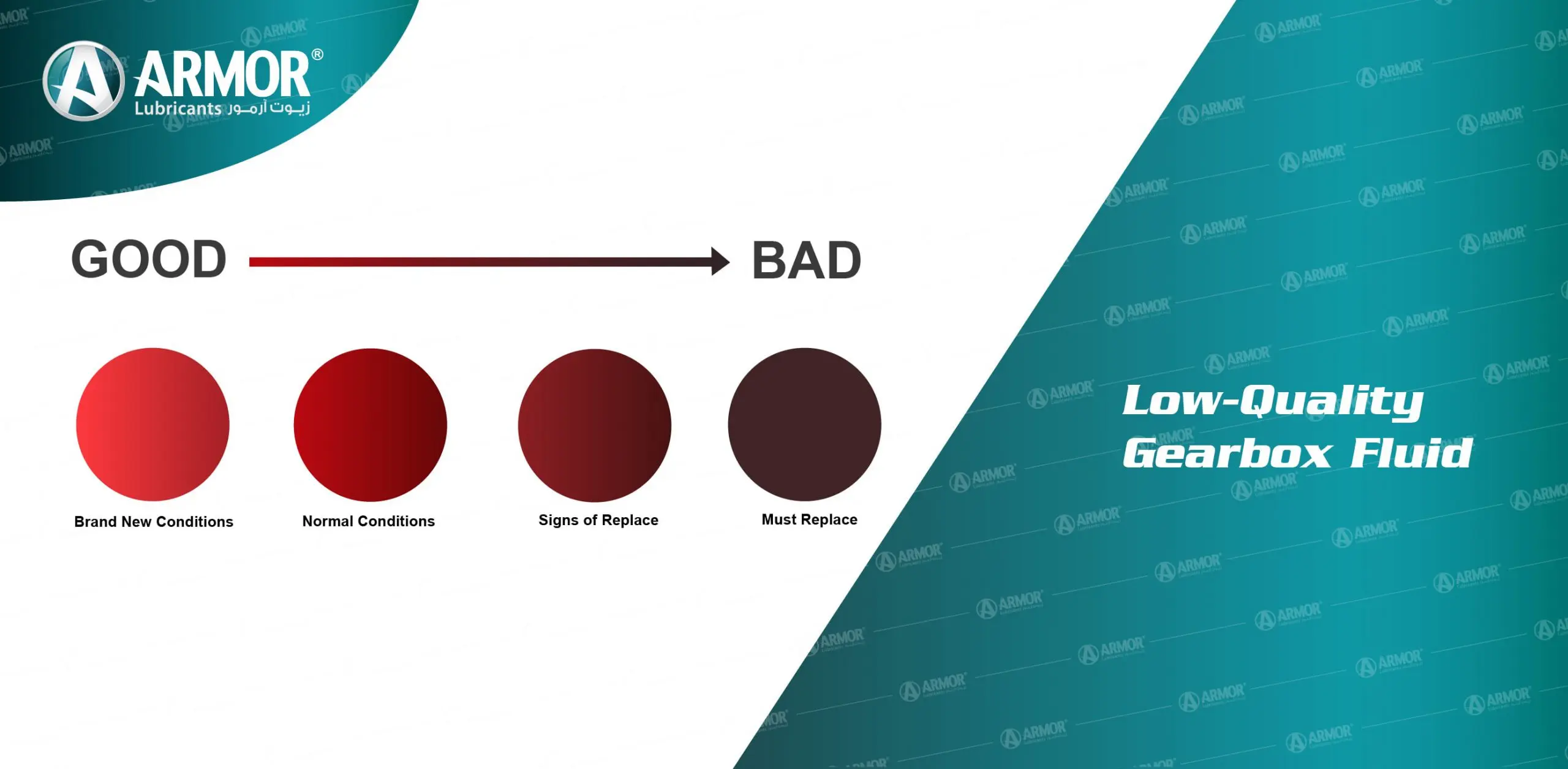
Transmission fluid acts as the lifeblood of your automatic transmission system. Spotting bright red or brown fluid under your car signals a dangerous transmission fluid leak. This leaking transmission fluid compromises the hydraulic pressure required for proper gear engagement.
A compromised transmission pan or degraded rubber seals typically cause these fluid leaks. Driving with low transmission fluid rapidly accelerates internal mechanical wear. You must address any fluid leak immediately to avoid a catastrophic gearbox failure.
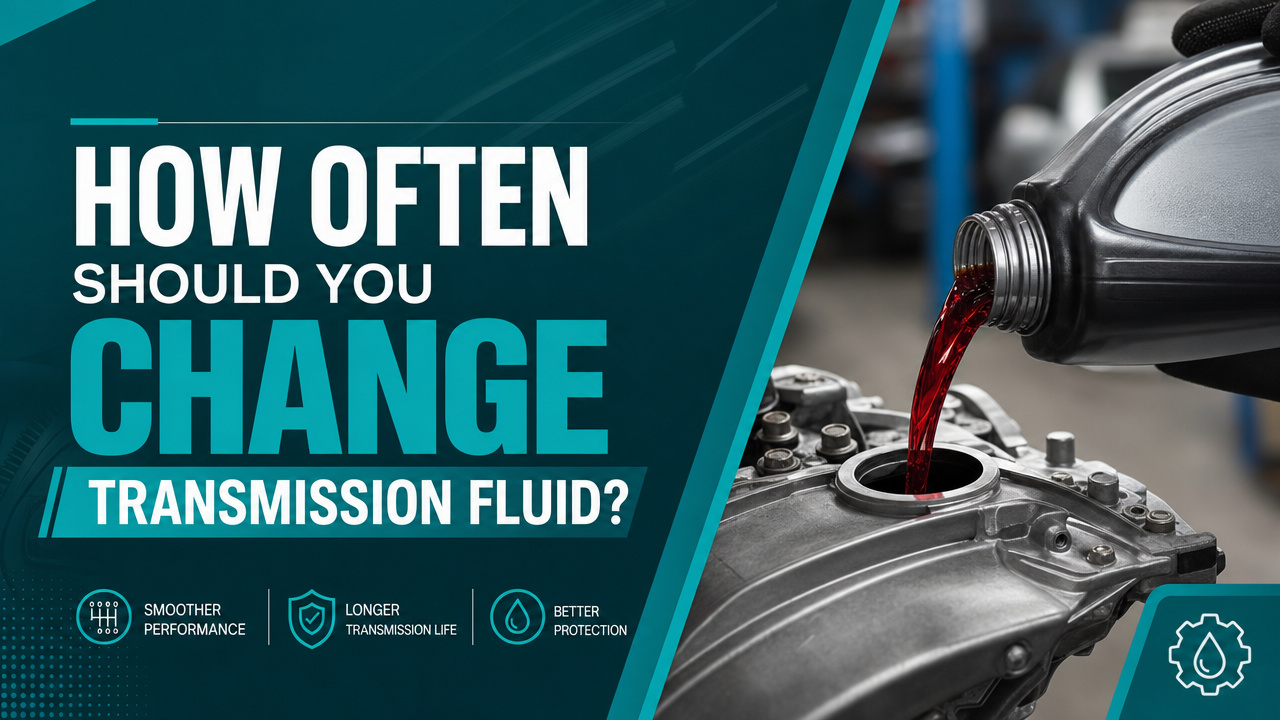
The color of the fluid indicates its condition and the severity of the mechanical problem. Bright red indicates fresh fluid leaking from a newly compromised seal. Learn more about why you should change transmission fluid to maintain system health.
Modern gearboxes must shift rapidly and smoothly to maintain driving efficiency. Any hesitation during this mechanical transfer indicates compromised hydraulic pressure or worn friction materials. A car hesitates when the transmission struggles to route power effectively.
This hesitation creates unpredictable driving dynamics and unsafe merging situations on busy highways. The transmission system requires precise timing to function correctly. Sluggish response times directly point to an internal transmission issue requiring immediate repair.
Ignoring a delayed gear shift forces the engine to work significantly harder to move the vehicle. This excessive strain accelerates wear on both the engine and the automatic gearbox. Prompt mechanical intervention restores factory performance levels.
Delayed gear engagement occurs when the car hesitates before moving after shifting into drive or reverse. This sluggish response strongly indicates an underlying transmission issue. The hydraulic pump struggles to build the necessary pressure to engage the selected gear.
This hesitation often worsens significantly when the engine is cold during winter months. The delayed gear response points toward restricted fluid flow or a failing internal pump mechanism. Prompt diagnosis helps prevent the need for extensive gearbox repair.
Continuous delayed engagement wears out the internal clutches and bands prematurely. The friction material disintegrates when forced to slip against the steel plates. Addressing this common sign of gearbox failure immediately restores reliable vehicle acceleration.
Gear slippage happens when the engine revs but the vehicle fails to accelerate correspondingly. The transmission essentially loses its physical grip on the engine power output. This slipping transmission creates a dangerous driving situation during highway maneuvers.
Worn clutch bands or inadequate transmission fluid levels typically cause severe gear slippage. The internal mechanical components fail to hold the planetary gear ratios steady. Address this specific transmission problem immediately to prevent a complete loss of mobility.
A transmission slipping out of gear unexpectedly indicates severe internal pressure loss. The hydraulic valves fail to direct fluid to the correct clutch packs. You must secure professional transmission repair to correct this advanced mechanical failure.
A distinct burning odor originating from your vehicle demands immediate investigation. Your transmission operates at high temperatures but features cooling mechanisms to prevent damage. When these cooling systems fail, the entire gearbox overheats rapidly.
Excessive heat destroys the lubricating properties of vital transmission fluids. This creates immense friction that actively melts internal plastic and rubber components. An overheating transmission represents a critical emergency requiring an immediate vehicle shutdown.
Driving a vehicle emitting a burning smell guarantees permanent gearbox damage. The extreme internal temperatures warp metal plates and destroy vital sensors. You must tow the vehicle to a certified repair facility to assess the gearbox damage.
A distinct burning smell emanating from your vehicle often indicates an overheating automatic transmission. Automatic transmission fluid degrades rapidly under extreme heat loads. The fluid completely loses its ability to properly lubricate and cool the transmission components.
When the fluid burns it turns dark brown and emits a highly foul odor. This burnt fluid signifies severe internal friction and impending complete transmission failure. Flushing the system and replacing the fluid is critical for component survival.
Operating an automatic gearbox with burnt fluid guarantees the destruction of the valve body. You must ensure you understand what transmission fluid is and why it is important for mechanical longevity. Fresh fluid restores protective lubrication.
In a manual car a burning smell frequently points directly to a slipping clutch. The friction material on the clutch disc burns when it fails to engage fully with the flywheel. This creates immense heat and damages the entire transmission assembly.
Riding the clutch or aggressive daily driving habits accelerate this specific mechanical wear. Replacing a failing clutch prevents further damage to the manual gearbox internals. Early detection saves the more expensive internal gear mechanisms from collateral heat damage.
A worn clutch cannot transfer engine torque efficiently to the drive wheels. The resulting heat glazes the flywheel surface and ruins the pressure plate. Immediate clutch replacement stands as the only viable repair for this specific transmission problem.
Smooth gear transitions define a properly functioning automotive transmission system. Harsh mechanical feedback during shifts indicates physical damage to the internal gear sets. Your vehicle should never shake or violently clunk during normal operation.
These aggressive physical symptoms point to metal striking metal without proper hydraulic cushioning. The internal clearances have expanded beyond factory specifications due to extreme wear. A shaking transmission mount also contributes to these harsh shifting dynamics.
Continuing to drive a vehicle that clunks heavily during shifts shatters vital internal components. The sheer physical force breaks hardened steel gear teeth effortlessly. Immediate mechanical assessment prevents total drivetrain destruction and costly vehicle recovery.
A harsh grind when you change gear in a manual transmission indicates worn synchronizers. These brass components match the speed of the gear to the shaft for smooth transitions. When they fail the hardened metal gears clash violently.
This aggressive grinding damages the gear teeth and contaminates the lubricating oil with metal shavings. Continuing to drive with worn synchronizers guarantees total transmission destruction. Immediate attention is required to salvage the remaining parts of the manual gearbox.
Grinding while shifting into reverse often indicates a misaligned clutch mechanism. The clutch fails to disengage the engine power completely from the transmission input shaft. Resolving this issue requires precise adjustments to the manual car linkage.
An automatic gearbox experiencing harsh shaking shifts suffers from internal hydraulic or mechanical faults. A violent clunk when shifting from park to drive indicates excessive clearance in the drivetrain. This often points to severely damaged planetary gear sets.
These harsh shifts place immense stress on engine mounts and drive axles. Diagnosing these specific automatic transmission problems requires specialized hydraulic testing equipment. Read about how to fix hard transmission shifts for further technical insights and solutions.
Broken accumulator springs also cause incredibly harsh gear engagement. The transmission fluid slams into the clutch piston without proper dampening. Professional transmission technicians must rebuild the valve body to restore smooth shifting functionality.
Modern automotive engineering utilizes complex networks of electronic sensors to monitor component health. These digital systems detect mechanical anomalies long before physical symptoms manifest. Dashboard warning lights serve as your first line of defense against catastrophic failure.
Ignoring an illuminated warning light represents the most common mistake vehicle owners make. The computer actively registers a fault code indicating exactly where the system is failing. Promptly scanning these codes eliminates diagnostic guesswork and saves time.
These electronic alerts provide crucial early warning signs of developing transmission trouble. Acting immediately upon seeing a warning light prevents minor electrical issues from becoming major mechanical disasters. Always trust your vehicle's onboard diagnostic system.
Modern vehicles use highly complex electronic monitoring systems for the entire powertrain. Dashboard warning lights provide crucial early warning signs of internal mechanical distress. The check engine light frequently illuminates when the computer detects a problem with the transmission.
Many drivers mistakenly believe this light only relates to engine emissions and fuel delivery. In reality it monitors the entire drivetrain for any operational faults. Never ignore a check engine light as it often registers gearbox issues early.
Retrieving the specific diagnostic trouble codes reveals the exact nature of the transmission fault. These codes pinpoint issues ranging from simple fluid pressure drops to complex solenoid failures. Professional scanning equipment is necessary to read these specific automatic transmission problems.
A dedicated transmission warning light explicitly indicates immediate gearbox trouble. Faulty vehicle speed sensors or internal fluid temperature sensors trigger these vital dashboard alerts. The vehicle’s computer receives erratic data and engages a strict fail-safe mode.
This protective fail-safe mode usually locks the vehicle in a single forward gear. Driving in this restricted mode prevents further mechanical damage but limits vehicle speed significantly. Replacing the faulty electrical sensor often resolves these specific transmission problems entirely.
Wiring harness degradation also causes intermittent sensor failures and erratic transmission behavior. Heat and vibration damage the delicate electrical connections over years of driving. A thorough electrical inspection remains vital for proper transmission services.
Identifying the root cause of mechanical failure helps prevent future automotive breakdowns. While gearboxes utilize highly durable materials they remain susceptible to specific operational hazards. Neglect stands as the primary reason these robust mechanical systems fail prematurely.
Automotive transmissions require highly specific operating conditions to function correctly. Any deviation from these strict parameters accelerates wear exponentially. Understanding what destroys a transmission empowers drivers to practice better preventive maintenance.
The most common issues stem directly from improper fluid management and delayed maintenance schedules. Simple routine care drastically reduces the statistical probability of experiencing complete transmission failure. Proactive ownership is the ultimate key to mechanical longevity.
The vast majority of transmission trouble is caused by low transmission fluid. The fluid provides essential hydraulic pressure while handling lubrication and vital cooling. Without adequate fluid internal friction skyrockets and destroys the transmission components rapidly.
Fluid loss only occurs through a physical leak somewhere in the sealed system. Regularly checking your fluid level is the most effective preventive measure available. Maintaining correct transmission fluid levels extends the life of your vehicle significantly.
Operating a vehicle with low fluid starves the transmission pump of vital lubrication. This causes the pump to cavitate and send air bubbles through the hydraulic circuits. This aeration destroys the holding power of the internal clutch packs.
Neglecting scheduled maintenance represents another primary cause of complete gearbox failure. Transmission fluid breaks down chemically over time and loses its essential protective properties. Skipping a required transmission oil change allows thick sludge to accumulate internally.
This abrasive contamination clogs narrow hydraulic passages and damages highly sensitive control valves. Routine transmission services ensure clean fluid constantly circulates through the entire system. Consistent maintenance prevents the most common issues that plague modern automatic gearboxes.
A clogged transmission filter restricts fluid flow to the pump and starves the gear sets. Replacing the filter during a fluid service is mandatory for proper maintenance. Read more precise details on gearbox problems diagnosis and solutions.
Engineers design transmissions to withstand immense physical stress and heavy torque loads. However certain extreme conditions bypass these robust design parameters entirely. Exposing a gearbox to these specific operational extremes guarantees rapid and total destruction.
Thermal management remains the most critical aspect of transmission survival. The internal friction generates massive amounts of thermal energy during normal operation. Failing to dissipate this thermal energy correctly melts vital internal components.
Chemical contamination also acts as a rapid destroyer of transmission internal parts. The highly specific friction materials dissolve instantly when exposed to incorrect chemical compounds. Protecting the fluid integrity ensures the survival of the entire transmission system.
Excessive heat stands as the absolute biggest killer of both manual and automatic transmissions. Towing heavy loads or aggressive driving generates immense internal temperatures rapidly. When temperatures exceed safe operating limits the transmission fluid oxidizes instantly.
Oxidized fluid fails to lubricate moving parts leading to immediate metal-on-metal contact. Installing an auxiliary transmission cooler helps mitigate this serious risk for heavy-duty applications. Proper heat management is absolutely critical for avoiding a failing transmission.
Prolonged overheating hardens internal rubber seals causing massive internal hydraulic leaks. Once these internal seals fail the transmission completely loses its ability to engage gears. Preventing overheating remains the most important aspect of vehicle care.
Water or engine coolant mixing with transmission fluid creates a catastrophic chemical reaction. This harsh contamination destroys the delicate friction lining on internal clutches almost immediately. The resulting milky fluid offers zero lubrication or required hydraulic protection.
A ruptured radiator transmission cooler usually causes this severe cross-contamination issue. Fixing this requires a complete transmission rebuild alongside a brand new vehicle radiator. Keeping the internal fluid totally free from engine coolant is absolutely paramount.
Using incorrect fluid formulations also destroys internal synchronizers and clutch materials. Always consult technical specifications when adding any lubricant to your drivetrain. Using the correct oil for gearbox selection is vital for long-term survival.
Vehicle owners frequently question the expected longevity of their automotive drivetrain components. The operational lifespan of a transmission varies wildly based on specific application and maintenance. A properly maintained unit often lasts the entire life of the vehicle.
Conversely an abused and neglected gearbox will fail in a fraction of that time. Driving habits dictate mechanical wear rates more than any original manufacturing variable. Smooth deliberate driving dramatically extends the life of all transmission components.
Understanding the expected lifespan helps owners plan for long-term maintenance costs. Budgeting for routine fluid changes remains infinitely cheaper than replacing an entire gearbox. Consistent care yields consistent mechanical reliability over hundreds of thousands of miles.
The average life of an automatic transmission heavily depends on maintenance and daily driving habits. A meticulously maintained automatic gearbox can easily exceed 150,000 to 200,000 miles. Neglected units often suffer total transmission failure well before reaching 100,000 miles.
Urban driving with constant stop-and-go traffic accelerates wear on internal clutches significantly. Highway driving places far less physical stress on the vital transmission components. Consistent fluid changes remain the absolute best way to maximize automatic transmission longevity.
Heavy towing drastically reduces the expected lifespan of any automatic transmission system. The extra weight forces the internal clutches to slip longer during each gear transition. Installing heavy-duty transmission components helps mitigate this accelerated mechanical wear.
Manual transmissions generally offer a longer base lifespan due to their simpler mechanical design. The physical gear sets often outlast the vehicle itself if properly lubricated. However the clutch assembly is a wear item requiring eventual replacement inevitably.
Aggressive shifting and poor clutch control significantly reduce the life of a manual gearbox. Using the appropriate gear oil GL4 vs GL5 ensures the internal synchronizers operate smoothly. Proper technique and strict maintenance guarantee decades of highly reliable service.
Replacing the manual transmission fluid removes suspended metal particles that cause gear wear. This simple service keeps the shifting mechanism feeling precise and smooth for years. A well-maintained manual car provides incredibly reliable transportation indefinitely.
Attempting complex drivetrain repairs without professional training often results in further mechanical damage. Transmissions require highly specialized tools and absolute cleanliness during assembly. Trusting certified experts guarantees your vehicle receives accurate and durable repairs.
Diagnostic accuracy separates professional technicians from amateur mechanics. Utilizing advanced scanning equipment allows professionals to pinpoint electrical faults without tearing down the gearbox. This modern diagnostic approach saves owners significant labor costs and downtime.
Establishing a relationship with a reputable transmission shop ensures your vehicle receives proper care. Following their recommended service intervals prevents minor wear from escalating into major damage. Professional oversight is the ultimate safeguard for your vehicle’s drivetrain.
Professional transmission repair requires specialized heavy tools and deep mechanical expertise. When caught early many gearbox problems require only minor sensor replacements or fluid flushes. Delaying vital repairs always results in exponentially higher costs and complete transmission replacement.
A certified technician can accurately diagnose the exact root cause of gear shifting issues. They utilize advanced computer scanners to read proprietary manufacturer transmission codes. Trusting professional transmission services ensures the repair is handled perfectly the first time.
Ignoring a small transmission fluid leak inevitably leads to total internal gear destruction. Paying for an inexpensive seal replacement today saves thousands on a rebuild tomorrow. Prompt action is the most cost-effective approach to transmission maintenance.
Selecting the perfectly correct automatic transmission fluid is non-negotiable for system health. Different automotive manufacturers require highly specific fluid formulations containing precise friction modifiers. Using the wrong fluid guarantees erratic shifting and eventual complete gearbox fails.
Always consult your vehicle owner's manual before adding any fluid to your transmission system. Some modern vehicles feature sealed transmissions requiring highly specialized procedures to check the fluid level. Investing in premium quality lubricants directly prevents signs of a failing transmission.
Using generic universal fluids often voids manufacturer warranties and degrades internal shift quality. Sticking strictly to OEM-approved lubricants ensures the internal clutches grab securely. Check out the signs of gearbox failure guide for more specific maintenance indicators.