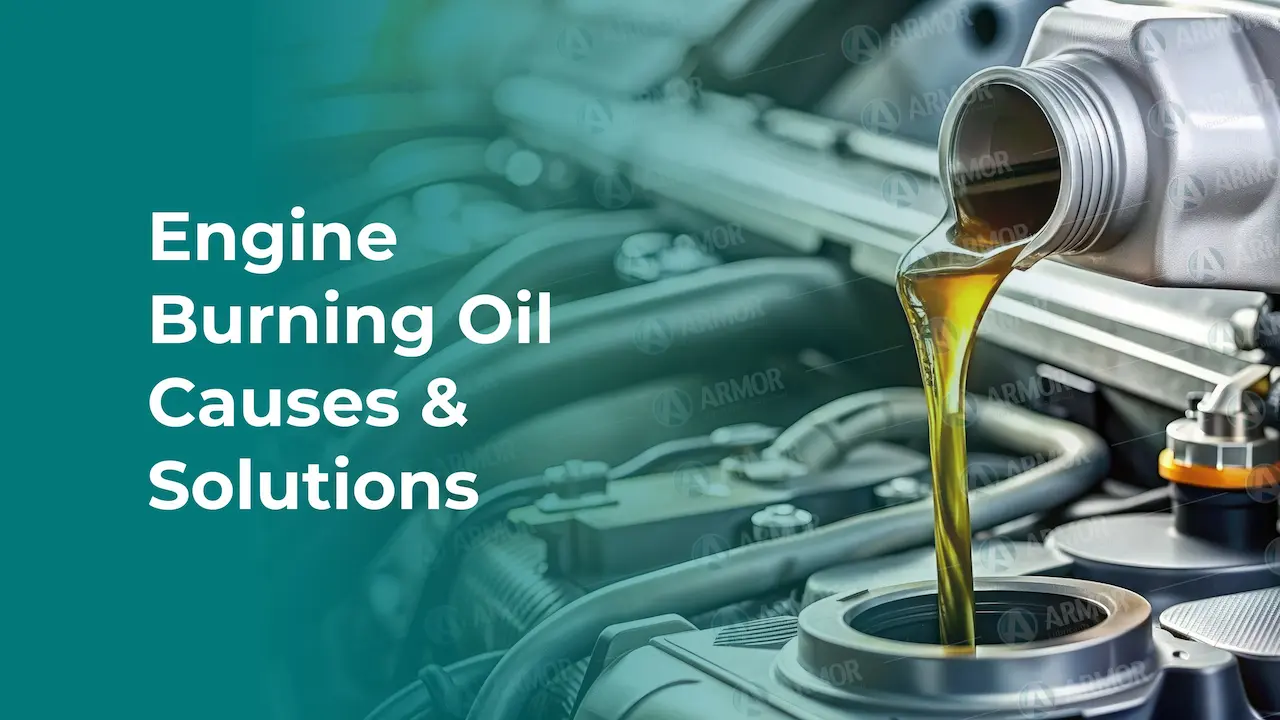
While modern standards provide excellent wear protection, you might still encounter a car burning oil. Finding that your vehicle consumes extra fluid can be highly stressful. This issue indicates that internal engine parts are wearing out rapidly.
When an engine that burns oil continues to operate, it causes severe internal damage. A burning smell or blue smoke coming from the exhaust pipe clearly points to a severe internal engine leak. This reduces critical engine oil pressure significantly.
High oil consumption forces you to add oil frequently between your regular oil changes. If your oil level drops consistently, your car is burning oil excessively. Identifying why the engine to burn oil occurs requires a thorough mechanical inspection.
Worn piston rings are heavily responsible for an engine burning oil during daily driving. These metal rings normally prevent oil from passing directly into the combustion chamber. When they fail, oil seeps past them and burns along with your regular fuel.
Defective oil control rings directly increase oil consumption and reduce overall engine performance. If the rings fail to scrape excess oil off the cylinder walls, oil is sucked into the engine. This destructive process generates noticeable blue smoke from the exhaust.
Replacing faulty piston rings is a labor-intensive solution for a car to burn oil. However, it is absolutely necessary to keep your engine running smoothly over time. Ignoring worn rings will inevitably lead to massive oil loss and total engine damage.
Damaged valve seals represent another major reason why an engine burns oil continuously. These seals keep lubricating oil out of the engine combustion chamber during operation. Once they become brittle, they allow oil to leak directly onto hot engine parts.
A failing valve seal typically creates a large puff of blue smoke upon startup. The engine vacuum forces oil past the deteriorated rubber seals while the vehicle sits. This constant oil leak slowly drains your engine oil capacity over time.
Repairing a damaged valve seal stops oil from entering the intake and exhaust manifolds. Providing proper engine oil is crucial to keep these rubber components soft and highly pliable. Routine maintenance prevents the seals from cracking and allowing oil to burn.
Many mechanics agree that worn piston rings represent the most common cause of oil burning. High-mileage vehicles naturally experience internal metal wear across thousands of driving miles. This continuous friction heavily degrades the protective oil control rings over time.
Without properly functioning rings, the engine simply cannot maintain its required internal oil pressure. The rapid loss of fluid leads to oil burning excessively inside the hot cylinders. This constant consumption forces drivers to frequently check oil levels manually.
Using the correct type of engine oil helps mitigate this natural mechanical wear significantly. High-quality synthetic oil creates a much stronger protective barrier on the metal cylinder walls. This chemical barrier extends the lifespan of the engine parts and prevents burning.
Using an incorrect oil viscosity can rapidly contribute to a car burning oil. If the motor oil is far too thin, it easily slips past older engine seals. This fluid bypass leads directly to excessive oil consumption and poor vehicle performance.
An overly thin oil viscosity fails to coat the internal combustion chamber adequately. The high operating temperatures quickly vaporize the thin fluid into an invisible oil vapor. This dangerous vapor is then routed back into the intake and burned completely.
Always verify the correct oil viscosity outlined in your specific vehicle owner manual. Providing the right engine oil thickness prevents high oil consumption during extreme summer heat. Applying the proper fluid grade helps stop your car from burning oil.
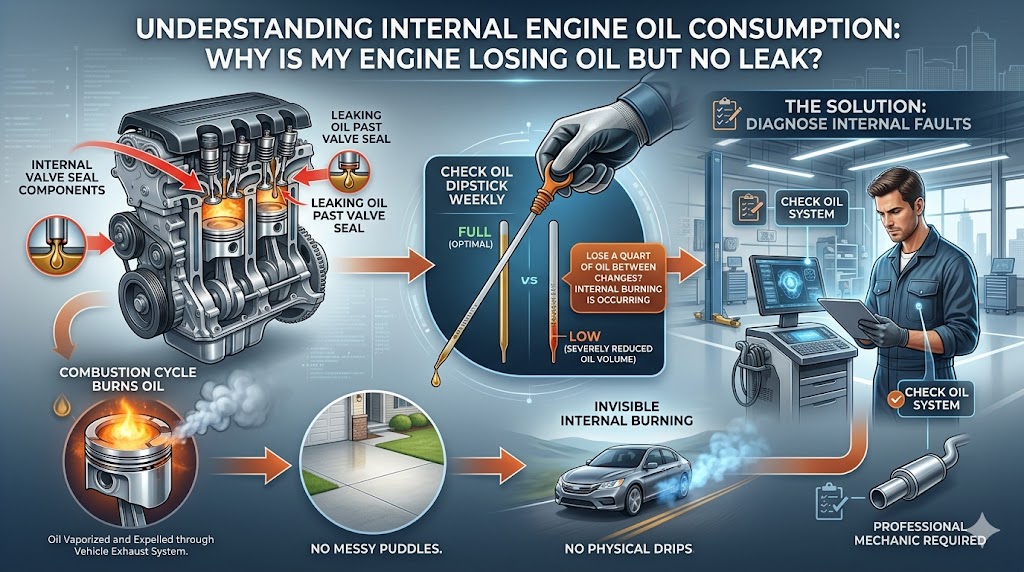
Drivers often ask why their engine is losing oil but no external leak is visible. When a car burns oil internally, it rarely leaves messy puddles on your driveway. The oil is completely vaporized and expelled through the vehicle exhaust system.
Internal oil consumption happens when fluid leaks past the internal valve seal components. Because the oil burns away during the combustion cycle, you never see physical drips. You only notice the severely reduced oil volume when you check the oil dipstick.
Checking your oil dipstick weekly reveals if your engine is secretly burning oil internally. If you continuously lose a quart of oil between changes, internal burning is occurring. You must have a professional mechanic check your oil system for internal faults.
Oil blowback happens when excessive crankcase pressure forces oil vapor directly into the intake. A clogged positive crankcase ventilation valve is usually responsible for this massive internal pressure spike. This simple valve failure forces the engine to consume its own lubricant.
When the PCV valve sticks closed, the trapped oil vapor has nowhere to escape safely. It forcefully pushes past the piston rings and enters the hot combustion chamber directly. This internal pressure issue causes your car to burn oil without showing external leaks.
Replacing a cheap PCV valve can easily solve mysterious high oil consumption problems. This quick maintenance task prevents the engine vacuum from actively sucking oil into the intake. It successfully keeps your engine running without constant, unexplained fluid loss.
To successfully fix an engine that burns oil, you must diagnose the exact mechanical failure. If worn piston rings are the primary culprit, a complete engine rebuild is strictly required. This extensive repair completely replaces the worn internal engine parts and seals.
If the problem stems from a leaking valve seal, certified mechanics can replace them directly. This targeted repair stops the car from burning oil without removing the entire engine block. It effectively seals the combustion chamber and immediately restores proper internal oil pressure.
Sometimes, switching to a high mileage motor oil can temporarily reduce excessive fluid burning. These specialized fluids contain powerful additives that cause older, brittle seals to swell slightly. This chemical reaction helps prevent oil from slipping past the aging rubber components.
Consistent and regular oil changes remain the best defense against severe internal engine wear. Fresh engine oil provides maximum lubrication to the vulnerable piston rings and cylinder walls. This routine maintenance prevents the harsh metal friction that eventually causes oil burning.
Old, degraded oil heavily loses its ability to protect hot engine parts during daily driving. When the oil filter clogs, abrasive dirt circulates freely through the sensitive engine block. These microscopic particles deeply scratch the cylinder walls and lead to massive oil loss.
Always add oil that perfectly matches the manufacturer specifications for your type of engine. Using premium synthetic oil provides exceptional thermal stability under heavy daily driving conditions. This superior fluid quality helps prevent oil breakdown and stops premature internal component wear. You can read more about engine burning oil causes solutions on our dedicated page.
Many drivers wonder if they can safely drive a car that is burning oil excessively. While the vehicle may run, operating it with critically low oil levels is incredibly dangerous. You risk catastrophic engine damage if the vital fluid drops too low.
If the red oil light illuminates on your dashboard, you must stop driving immediately. This severe warning indicates a massive drop in critical oil pressure across the entire engine. Continuing to drive will quickly force internal metal parts to grind together destructively. Read more regarding engine failure causes to stay informed.
You can drive short distances if you diligently monitor and check oil levels constantly. You must add oil whenever the dipstick indicates a significantly reduced oil capacity. However, this is only a temporary management strategy, not a permanent mechanical fix.
Recognizing the early warning sign of oil burning can save your entire expensive engine block. If your car smells like burning oil, fluid is likely leaking onto the hot exhaust. This strong, acrid odor is an immediate red flag for all observant drivers.
Thick blue smoke coming from the tailpipe is the most obvious visual indicator available. This colored smoke confirms that significant amounts of motor oil are actively combusting internally. You should have a mechanic evaluate the engine that is burning oil right away.
Monitoring how much oil you lose between regular oil changes provides vital diagnostic clues. If you regularly replace a full quart of oil monthly, the fluid consumption is excessive. You must identify the root cause quickly to prevent total and catastrophic engine failure.
The most common causes of oil burning often involve simple neglect of basic vehicle maintenance. Failing to check the oil regularly allows fluid levels to drop to dangerous absolute minimums. This extreme heat degrades the remaining oil faster and totally destroys engine parts.
Using low-quality regular oil instead of premium synthetic oil accelerates internal metal wear significantly. Cheap fluids simply cannot handle the extreme temperatures generated by modern, highly stressed engines. They break down quickly, vaporize rapidly, and eventually contribute to a car burning oil.
Proactive vehicle care is the only reliable way to prevent oil burning issues permanently. Upgrading your oil filter and keeping fresh fluid in the crankcase ensures maximum daily protection. These simple maintenance steps actively maintain proper oil pressure and greatly extend engine life. Ensure you know about your car engine oil to make informed decisions.
Selecting a high-quality oil is paramount for keeping your older engine running smoothly safely. Advanced synthetic blends offer superior resistance to high heat and extreme mechanical shear forces. They maintain their protective viscosity far longer than traditional, cheaper conventional motor oils.
A top-tier quality oil actively cleans internal engine sludge while providing maximum fluid lubrication. This powerful chemical cleaning action keeps the crucial oil control rings free from sticky carbon deposits. Clean rings can easily scrape excess fluid away and stop your car burning oil.
Read your specific vehicle manual carefully to choose the exact right type of engine oil. Whether your engine requires a 5W-30 or a 10W-40, perfectly matching the grade is critical. Applying the correct oil viscosity guarantees optimal vehicle performance and heavily reduces oil consumption. Learn more about choosing right vehicle engine oil today.
Learning how to check your oil level is a vital skill for any vehicle owner. You should perform this simple mechanical maintenance task at least once every single month. Regular physical checks help you spot a car burning oil before massive permanent damage occurs.
Always park your vehicle securely on a perfectly level surface before checking the fluid capacity. Pull the oil dipstick out, wipe it completely clean, and reinsert it fully into the tube. Pull it out again carefully to read the exact oil level marked on the metal.
If the fluid sits below the minimum indicator mark, you must add oil immediately. Driving with severely low oil levels forces the engine to run significantly hotter than normal. This excess thermal heat rapidly degrades the fluid and directly leads to catastrophic oil loss. Be aware of the 6 signs car needs oil change to avoid trouble.
When you need to actively add oil, ensure you use the correct precise oil viscosity grade. Pour the high-quality oil slowly into the engine filler cap using a clean plastic funnel. This careful filling process prevents accidental spills onto extremely hot engine parts and exhaust manifolds.
Wait a few minutes after pouring to let the fresh fluid settle into the oil pan. Check the oil dipstick one more time to accurately verify you reached the maximum fill line. Never overfill the engine crankcase, as this can severely damage the sensitive rubber engine seals.
Keeping a spare sealed quart of oil safely in your trunk is a smart daily driving habit. If you think your car might be secretly losing oil slowly, you are always mechanically prepared. You can safely top off the fluid instantly and keep your engine running securely.
Plumes of thick blue smoke coming from the exhaust clearly indicate serious internal engine trouble. This specific visual color means the engine is burning oil at a highly accelerated dangerous rate. You should never ignore this glaring visible sign of an engine that burns oil.
If the blue smoke only strictly appears upon initial engine startup, suspect a bad rubber valve seal. Oil seeps past the damaged rubber seals overnight and pools directly in the metal cylinder. The engine burns this collected fluid immediately and forcefully when you turn the ignition key.
Alternatively, if the blue smoke remains continuous while driving normally, the internal piston rings are failing. The damaged rings constantly allow raw oil to enter the combustion chamber during heavy vehicle acceleration. This constant active oil burn requires an immediate and highly thorough professional mechanical inspection.
An intense burning smell typically means hot oil is leaking externally onto scorching engine components. As the fluid hits the extremely hot exhaust manifold, it instantly vaporizes into harsh thick smoke. This hot vapor creates an undeniable acrid odor that easily penetrates the vehicle passenger cabin.
External fluid leaks often naturally originate from a heavily degraded valve cover gasket or damaged oil filter. These failing mechanical components allow pressurized engine oil to violently spray onto the hot metal surfaces. This highly dangerous scenario drastically reduces safe oil pressure and massively increases the risk of engine fire.
If your car suddenly smells like burning oil, immediately pull over safely and inspect the engine bay. Look carefully with a flashlight for fresh fluid drips near the exhaust or dark stains on the block. Identifying the source quickly helps you actively prevent catastrophic and entirely irreversible automotive engine damage.
High-mileage older engines naturally experience slightly increased daily oil consumption due to general mechanical internal wear. The internal metal tolerances widen significantly over time, allowing oil to bypass the original factory piston rings. This gradual physical aging process makes older vehicles far more prone to losing oil slowly everyday.
To safely combat this, many mechanics highly recommend switching to a specialized high-mileage engine oil immediately. These unique chemical formulations contain powerful seal conditioners that actively rejuvenate old, hardened rubber valve seals. They actively and efficiently help stop your car from burning oil excessively during routine daily driving.
High-mileage synthetic oil also typically features a slightly thicker operating viscosity under extreme engine heat. This thicker fluid creates a far more robust protective film across the deeply worn metal cylinder walls. It successfully prevents internal oil blowback and helps maintain safe, highly consistent engine oil pressure permanently.
If switching to high-quality oil completely fails, you must seek professional automotive repair services immediately. A certified master mechanic can perform a comprehensive cylinder leak-down test on your internal engine block. This highly specialized test accurately identifies whether the rubber valve seals or the metal piston rings failed.
Rebuilding an engine that is actively burning oil is a major financial investment for any vehicle owners. The mechanic must completely and carefully disassemble the motor to replace the faulty internal oil control rings. This extensive specialized labor guarantees the internal combustion chamber is perfectly sealed against any future fluid leaks.
Although major engine repairs are highly costly, they are often cheaper than buying a totally new vehicle. Addressing excessive oil consumption early proactively prevents the moving internal engine parts from welding themselves together violently. Timely mechanical maintenance ensures your older vehicle securely continues to operate safely and highly reliably for years.